
There is nothing more frustrating than doing everything you can to give your child the healthiest start possible, only to wonder if you’re missing something important. You choose nutritious foods, read parenting books, research products, and make thoughtful decisions every day.
But one of the biggest influences on your child’s long-term health isn’t something most parents are talking about. It’s the baby gut microbiome.
Your baby’s gut microbiome begins developing before birth and continues changing rapidly throughout the first few years of life. During this time, beneficial bacteria help shape the immune system, digestion, metabolism, and even future health outcomes. While that may sound overwhelming, understanding how the microbiome develops can help you make simple choices that support your child’s health for years to come.
Your Baby’s Gut Microbiome Starts Before They’re Born
When most people think about gut health, they picture probiotics or digestive symptoms. But your baby’s microbiome is much bigger than that. It’s an entire community of bacteria that helps train the immune system, supports digestion, and lays the foundation for lifelong health.
One of the most fascinating parts of this process is that your baby doesn’t develop their microbiome completely on their own. Their first microbes come from you.
During pregnancy, birth, and infancy, babies inherit much of their early microbiome from their mother. That means your own gut health plays an important role long before your child ever takes their first bite of solid food.
I often tell clients that we spend so much time talking about generational wealth, but we should be talking more about generational health. A healthy microbiome is one of the greatest gifts you can pass on to your children, and unlike your DNA, it’s something you can actively improve.
Whether you’re trying to conceive, currently pregnant, or simply working on your own gut health, every positive change has the potential to benefit future generations.
Why Researchers Are Concerned About Modern Babies
For years, researchers assumed babies naturally developed the healthy gut bacteria they needed. What we’re learning now paints a very different picture.
Modern lifestyles have dramatically changed how babies develop their microbiomes, and researchers are beginning to understand just how significant those changes may be.
Nine Out of Ten Babies Are Missing Important Gut Bacteria
One large research project examining thousands of infant stool samples found that nine out of ten babies were missing one or more important strains of Bifidobacterium, bacteria that play a critical role in training the developing immune system.
These aren’t just any bacteria. They’re considered keystone bacteria, meaning they serve as the foundation for the rest of the gut ecosystem.
Think of them like the first blocks in a LEGO structure. If those foundational pieces aren’t there, it’s much harder for everything else to come together the way it was designed to.
Researchers know these bacteria should be abundant because they’re consistently found in healthy babies living in non-industrialized communities around the world and were much more common in previous generations.
What Happens When Those Bacteria Are Missing?
When those beneficial bacteria aren’t present, other less helpful microbes begin filling the space instead.
Researchers have found that babies with lower levels of beneficial Bifidobacterium appear to have a greater risk of developing conditions like:
- Food allergies
- Eczema
- Asthma
- Other immune-related conditions
The microbiome helps educate the immune system during infancy. Without the right bacteria, that learning process may not happen as efficiently.
While no single factor determines whether a child develops these conditions, the baby’s gut microbiome appears to be an important piece of the puzzle.
What Shapes Your Baby’s Gut Microbiome?
It’s easy to hear this information and immediately wonder if you’ve already done something wrong.
The truth is that many factors influence the baby gut microbiome, and some are completely outside of your control. The goal isn’t perfection. It’s understanding the factors you can influence moving forward.
Mom’s Gut Health Matters More Than Most People Realize
If you’ve ever wondered whether improving your own gut health before pregnancy is worth the effort, the answer is yes.
A mother’s microbiome provides many of the first microbes her baby receives. Supporting your own digestive health before and during pregnancy may help create a healthier starting point for your child.
This doesn’t mean you need a perfect microbiome before becoming pregnant. It simply means that every small improvement can matter.
Birth Method Can Influence the Baby Gut Microbiome
Birth is one of the earliest opportunities for babies to acquire beneficial microbes.
Babies born vaginally are exposed to different microbes than babies born by C-section. Research suggests babies delivered by C-section are more likely to have lower levels of certain beneficial bacteria early in life because they’re initially exposed to microbes from the hospital environment and skin rather than the birth canal.
If you had a C-section, this isn’t a reason to feel guilty. Many C sections are medically necessary and lifesaving. Instead, this information helps us understand where extra support for the microbiome may be beneficial.
Antibiotics Are Sometimes Necessary, But They Have Consequences
Antibiotics save lives. There is absolutely a time and place for them.
At the same time, antibiotics don’t distinguish between harmful bacteria and beneficial bacteria. During infancy, when the microbiome is rapidly developing, repeated antibiotic exposure may temporarily disrupt that process.
This doesn’t mean antibiotics should be avoided when medically necessary. It simply highlights why thoughtful antibiotic use and rebuilding the microbiome afterward can be valuable.
Diet Is One of the Biggest Levers We Have
One of the simplest ways to support a healthy microbiome is through food.
Fiber feeds beneficial gut bacteria and encourages greater microbial diversity. That matters for adults, children, and eventually babies as they begin eating solid foods.
The goal isn’t complicated meal plans or expensive supplements.
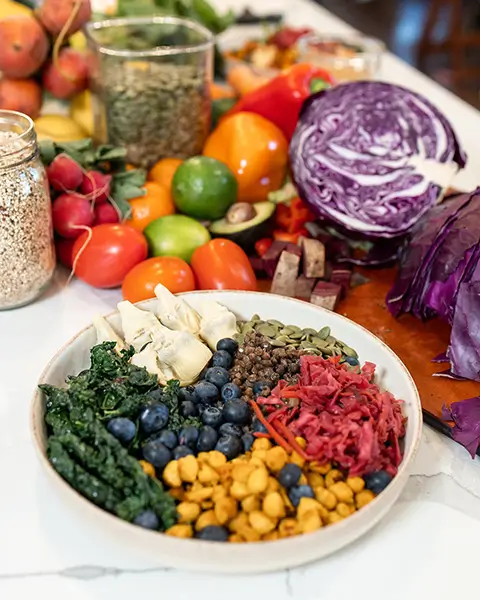
It’s regularly including a wide variety of fruits, vegetables, legumes, whole grains, nuts, and seeds whenever possible.
Those foods provide the fuel beneficial bacteria need to thrive.
The First 1,000 Days Really Do Matter
You’ve probably heard the phrase “the first 1,000 days,” but what makes this period so important?
From conception until about age two, the gut microbiome develops at an incredible pace. During this time, the immune system, digestive system, and even aspects of brain development are all happening alongside changes in the microbiome.
The earliest months are especially important because beneficial bacteria establish themselves before solid foods are introduced.
As babies begin eating more diverse foods and transition into toddlerhood, the microbiome continues changing rapidly until it begins looking much more like an adult microbiome around three to four years of age.
This doesn’t mean every decision has to be perfect. It simply reminds us that small, consistent habits during these early years can have a lasting impact.
Do Babies Really Need Probiotics?
Walk through any supplement aisle, and you’ll find shelves full of probiotics marketed for infants. The challenge is that not every probiotic is designed to support the unique needs of a baby’s developing microbiome.
Not Every Probiotic Is Designed for Babies
Different bacteria perform different jobs.
Research suggests that specific strains of Bifidobacterium play a particularly important role during infancy because they’re uniquely adapted to live in a baby’s gut and interact with the developing immune system.
That means simply choosing any probiotic off the shelf may not provide the same benefits as products designed specifically for infants.
When choosing supplements, strain specificity matters just as much as the number of bacteria listed on the label.
Why Prebiotics Matter Just as Much
One of my favorite ways to explain this is that a probiotic is only as good as the fuel feeding it. Beneficial bacteria need nourishment in order to survive and grow.
Breast milk naturally contains compounds called human milk oligosaccharides, often called HMOs, that aren’t meant to feed the baby directly. Instead, they’re designed to feed beneficial bacteria living in the baby’s gut.
It’s an incredible example of how nature intended the microbiome to develop.
Whether a baby is breastfed, formula-fed, or receives a combination of both, understanding the relationship between probiotics and prebiotics helps explain why simply adding bacteria isn’t always enough.
What If Your Child Is Already Older?
If you’re reading this while your child is in preschool or elementary school, you might be wondering if you’ve already missed your opportunity.
Thankfully, the answer is no. While infancy represents a unique window of development, the microbiome continues changing throughout life.
Children can still benefit from eating more fiber-rich foods, increasing dietary variety, spending time outdoors, staying physically active, and supporting overall gut health. The same is true for adults.
Many women tell me they’ve struggled with constipation, bloating, or digestive symptoms for as long as they can remember. While those issues may have roots that stretch back to childhood, that doesn’t mean healing isn’t possible.
The microbiome remains remarkably adaptable, and positive changes can begin sooner than many people realize.
Small Choices Today Can Shape Lifelong Health
Parenting already comes with enough pressure. Learning about the baby gut microbiome shouldn’t become another reason to feel like you’re falling short.
Instead, let this information be empowering.
Every fiber-rich meal, every effort to improve your own gut health, every thoughtful conversation with your healthcare provider, and every small decision that supports a healthy microbiome helps build a stronger foundation for your family.
If you’re planning a pregnancy, currently pregnant, or working on improving your own digestive health, remember that taking care of yourself may be one of the best ways to care for your children, too.
If you’re struggling with constipation, bloating, food sensitivities, hormone imbalances, or other digestive symptoms, don’t ignore them. Supporting your own gut health can benefit both you and future generations.
Start by taking our free Gut Health Quiz to uncover possible root causes behind your symptoms. If you’re ready for personalized support, learn more about gutTogether®, where we help women improve their gut health through nutrition, lifestyle, functional testing, and a root cause approach so they can feel better and build healthier futures for themselves and their families.