
If you’ve ever noticed your digestion change right before or during your period, you’re not imagining it. Period poops are real, and while they can be a completely normal part of your cycle, they can also signal that something deeper is going on with your gut health and hormones.
Understanding why they happen can help you support your body in a way that makes this time of the month less stressful and more predictable.
Why Period Poops Happen
Hormonal changes throughout your cycle impact nearly every system in your body, including digestion. Right before your period, prostaglandins are released to help the uterus shed its lining. In excess, prostaglandins can also stimulate the smooth muscles of the digestive tract, speeding up motility and leading to looser stools or diarrhea.
On the flip side, higher progesterone earlier in the luteal phase can slow things down, causing constipation or that heavy, sluggish feeling in your gut.
These shifts are often more noticeable if you already deal with digestive issues like IBS, SIBO, or low stomach acid. The gut is sensitive to hormonal fluctuations, and if the foundation isn’t strong, those shifts can hit harder.
The Gut-Hormone Connection
Your gut and hormones work in a constant feedback loop. If your gut is inflamed, sluggish, or lacking diversity in bacteria, it can impact the way your body metabolizes and eliminates hormones like estrogen. That can lead to more intense period symptoms, including uncomfortable bowel changes.
Many women who experience period poops also report bloating, reflux, or irregular cycles. This is especially common if there’s been a history of restrictive eating or a very limited diet, which can reduce the diversity of gut bacteria and weaken gut motility.
The result is a cycle where both gut and hormone symptoms feed into each other.
When Period Poops Become a Problem
A little change in digestion before or during your period can be normal, but if your symptoms are extreme or last well beyond your cycle, it’s worth looking deeper.
Severe cramping with bowel movements, alternating constipation and diarrhea every month, or significant bloating could point to an imbalance in gut bacteria, low stomach acid, or slow gut motility.
If you find that symptoms interfere with your ability to eat enough, sleep well, or go about your daily activities, it’s time to address the root cause rather than just managing the monthly discomfort.
Practical Tips for Managing Period Poops
Here are a few things you can start with to help manage digestion during your period
Fuel Your Body Consistently
Eating enough calories and a variety of foods keeps your gut muscles active and supports healthy motility. Skipping meals or under-eating can slow digestion and make hormonal shifts during your cycle hit harder.
Aim for balanced meals with protein, healthy fats, and fiber throughout the day.
Manage Your Stress
Stress impacts both your gut lining and hormone balance, often worsening period poops. Incorporating daily stress-reducing habits like deep breathing, stretching, or short breaks can help keep your digestive system calmer during hormonal fluctuations. Even small, consistent habits can make a big difference.
Incorporate Gentle Movement
A short daily walk or light stretching can stimulate gut motility without adding physical stress to your body. This helps prevent sluggish digestion before your period and can ease cramping-related changes once your cycle begins.
The goal is consistency, not intensity.
Stay Hydrated and Support Minerals
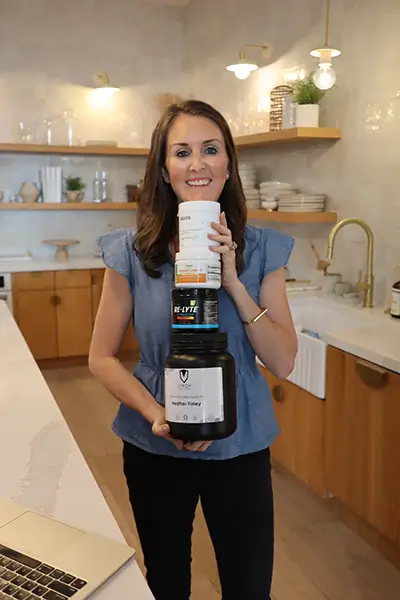
Fluctuating hormones can affect fluid balance, which in turn impacts digestion. Prioritize hydration and include minerals like sodium, potassium, and magnesium to support regular bowel movements and reduce cramping.
Mineral-rich drinks or electrolyte powders can be helpful here.
Address Underlying Imbalances
If your symptoms are persistent or severe, it’s worth exploring root causes like SIBO, candida overgrowth, or low stomach acid. These imbalances can make monthly digestive changes much more intense. Working with a practitioner can help you create a targeted plan for lasting relief.
Supporting Gut Health for Better Period Health
Your gut bacteria play a key role in hormone detoxification, which helps prevent hormone buildup that can lead to heavier cramps, more bloating, and unpredictable bowel changes.
Restrictive diets like low FODMAP can sometimes help in the short term, but staying on them too long can starve your beneficial bacteria and make symptoms worse over time.
A healthy gut thrives on fiber from a variety of foods, adequate hydration, balanced minerals, and daily bowel movements. By supporting your gut consistently, you’re not only improving digestion during your period, you’re also helping to balance hormones for the rest of your cycle. That means fewer surprises, less discomfort, and a better quality of life throughout the month.
The Bottom Line on Period Poops
Some change in bowel habits around your period is normal, but recurring or extreme symptoms are a signal to pay attention to your gut health. Addressing underlying imbalances, eating enough, and diversifying your diet can make a big difference in how you feel during your cycle.
Your gut and hormones are deeply connected, and supporting one will naturally benefit the other. If your period poops are making your monthly cycle miserable, it’s worth looking deeper and finding a plan that supports both gut and hormone health.
If your period wreaks havoc on your digestion every month when you period comes around, I invite you to apply for our gutTogether program. We’ll help you understand and support the imbalances, and help you feel better during your cycle.