There’s nothing worse than feeling exhausted halfway through the day, craving sugar by 3 pm, and wondering why your digestion feels off even though you’re trying to eat “healthy.”
This is something I see with clients all the time.
They’re eating salads, snacking throughout the day, and trying to make good choices, but they still feel bloated, tired, and constantly hungry.
One of the biggest reasons?
They’re not eating enough protein.
In this episode, I’m joined by registered dietitian and New York Times bestselling author Rachael DeVaux of Rachael’s Good Eats to talk about one of the most common questions women have about nutrition:
How much protein should women eat, and why does it matter so much for energy, digestion, and overall health?
Meet Rachael DeVaux of Rachael’s Good Eats
Rachael DeVaux is a registered dietitian, mom, and the creator behind the popular wellness platform Rachael’s Good Eats, where millions of people turn to her for realistic recipes and practical nutrition advice.
She recently released her cookbook, The High Protein Plate, which focuses on simple meals that help women naturally eat enough protein without obsessively tracking macros or following restrictive diets.
Her philosophy is refreshingly simple. Focus on nourishing your body with balanced meals that include enough protein, fiber, and healthy fats, so you feel full, energized, and satisfied.
You can find more of her recipes and nutrition tips on her website at Rachael’s Good Eats.
How Much Protein Should Women Eat?
One of the biggest misconceptions in nutrition is that protein is only important for athletes or bodybuilders.
In reality, protein supports nearly every system in your body.acid
It helps stabilize blood sugar, supports muscle mass, fuels hormone production, and even plays a role in digestion by helping your body produce stomach acid and digestive enzymes.
For many women, the issue isn’t that they’re eating too much protein.
It’s that they’re unintentionally undereating protein, especially earlier in the day.
A simple way to think about protein intake is focusing on each meal rather than stressing about a daily number.
Rachael recommends aiming for about 25 to 40 grams of protein per main meal, which often brings women close to about 100 grams of protein per day.
For many women, that’s significantly more than they’re currently eating.
Why Many Women Feel Exhausted or Hungry All Day
One of the biggest signs someone isn’t eating enough protein is the classic afternoon crash.
You know the feeling.
You wake up feeling fine, have coffee and maybe something quick for breakfast, power through the morning, and then by 3pm you’re exhausted and craving something sweet.
This often happens when meals are carbohydrate-heavy but protein-light, which leads to blood sugar spikes followed by crashes.
When protein is included consistently throughout the day, many women notice:
- More stable energy
- Fewer cravings
- Less “food noise”
- Better focus
- Improved digestion
Instead of grazing all day, balanced meals with enough protein allow your body to stay full for several hours at a time.
Why Protein Also Supports Digestion
Most people don’t realize that protein intake can actually impact digestive health.
Protein provides amino acids that help your body produce:
- Stomach acid
- Digestive enzymes
- Neurotransmitters that regulate gut motility
When women are constantly snacking or eating small, low-protein meals, digestion often never gets a chance to fully complete its natural rhythm.
Larger, balanced meals with protein can help regulate digestion and reduce the cycle of constant snacking.
This is something many of my gutTogether clients notice when they begin structuring meals differently.
Simple Ways to Eat More Protein Without Tracking
Many women assume eating more protein means weighing food, tracking macros, or eating huge portions of meat.
That’s not the case.
The goal is simply building meals that include protein as the foundation.
Some easy examples include:
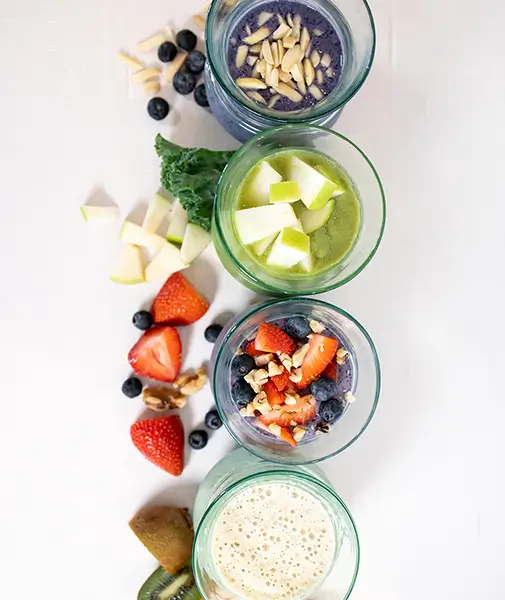
- A protein smoothie with nut butter and protein powder
- Eggs with sausage and avocado
- Greek yogurt bowls with fruit and seeds
- Ground turkey skillets or taco bowls
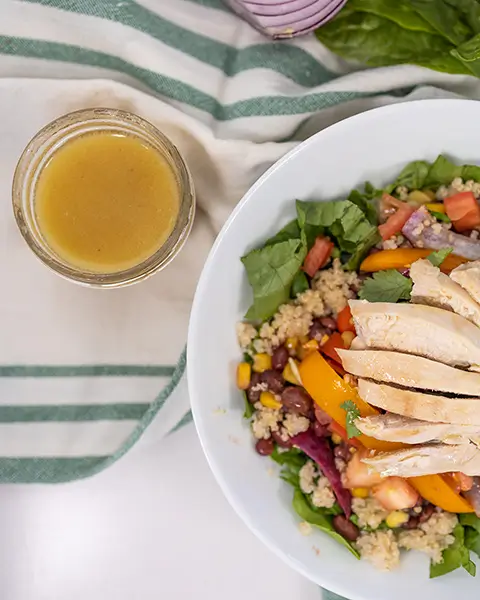
- Protein-rich salads with chicken or salmon
One of the biggest mindset shifts is focusing on adding protein, rather than restricting foods.
Often, when women do this, cravings decrease naturally, and meals feel more satisfying.
Start With One Simple Change
If you’re wondering how much protein women should eat and where to start, keep it simple.
Try increasing the protein at breakfast first.
Aim for around 30 grams of protein in your first meal of the day and see how you feel for a week.
Many women notice improvements in energy, cravings, and afternoon fatigue from that one change alone.
Small adjustments done consistently tend to work far better than completely overhauling your diet overnight.
Where to Find Rachael’s Recipes
If you want practical ideas for building balanced meals, Rachael shares hundreds of recipes and nutrition tips on her website:
Her cookbook, The High Protein Plate, also includes simple high-protein meals designed for busy families and women who want to nourish their bodies without obsessing over food.
Listen to the Full Episode
If you’ve ever wondered how much protein women should eat and how protein affects energy, digestion, and blood sugar, this conversation breaks it down in a really approachable way.
In this episode, we cover:
- Why most women unintentionally undereat protein
- The connection between protein, digestion, and stomach acid
- Why the 3 pm crash happens
- High protein breakfast ideas
- Simple ways to increase protein without tracking macros
You can listen to the full conversation below.